
Renovating has always required careful planning, but in the current cost-of-living environment, the pressure on homeowners is even greater. Living costs have continued to rise across Australian household types, and construction costs have also remained under pressure, with national construction costs increasing again in late 2025.
For many Melbourne homeowners, this creates a difficult question: how do you improve your home without letting the renovation budget run away?
The answer is not always to build more. Often, the best result comes from designing better.
Good design is not about adding the most expensive finishes or extending every available boundary. It is about understanding how you live, what your home already does well, where it fails, and how each design decision can work harder.
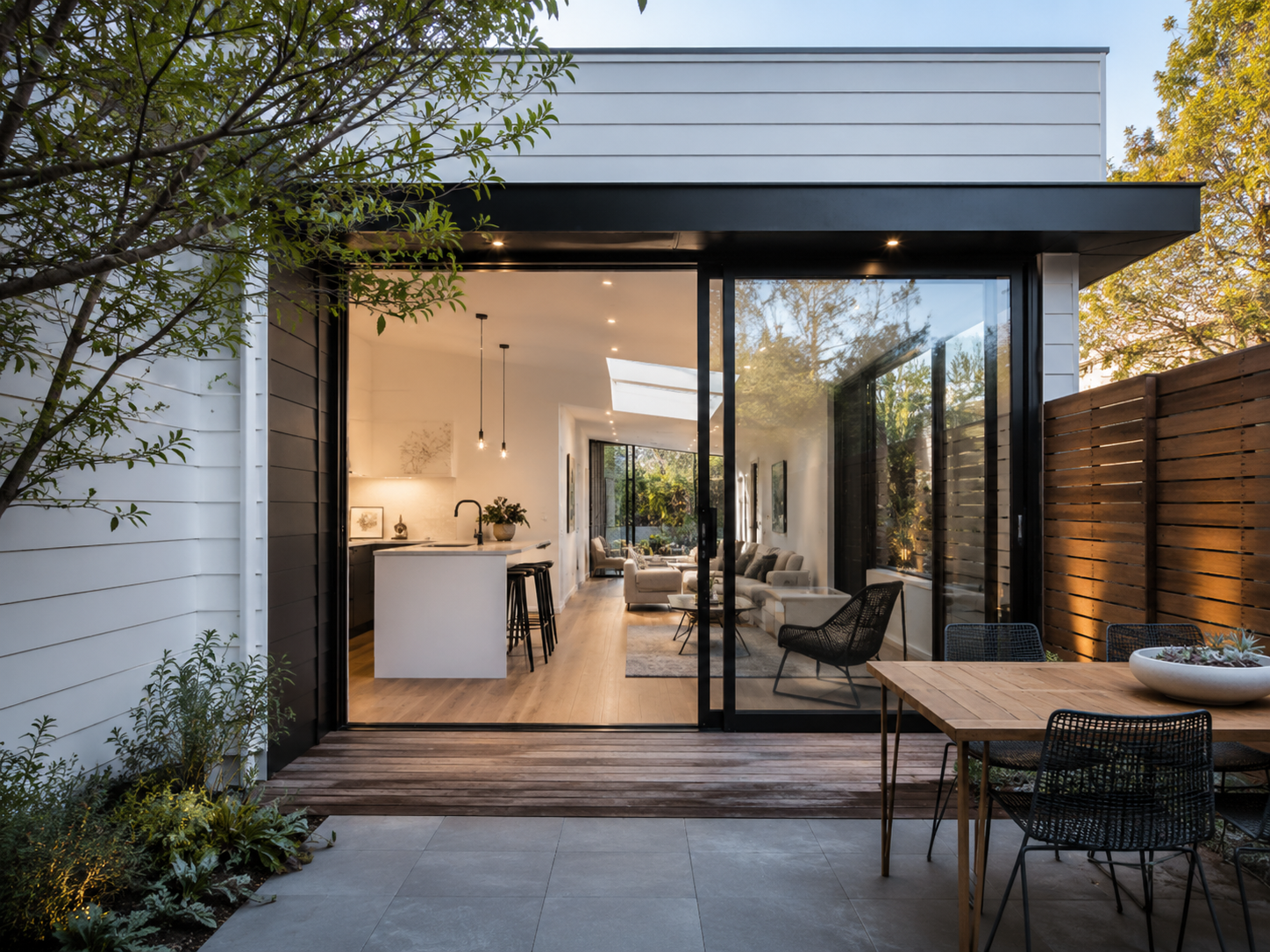
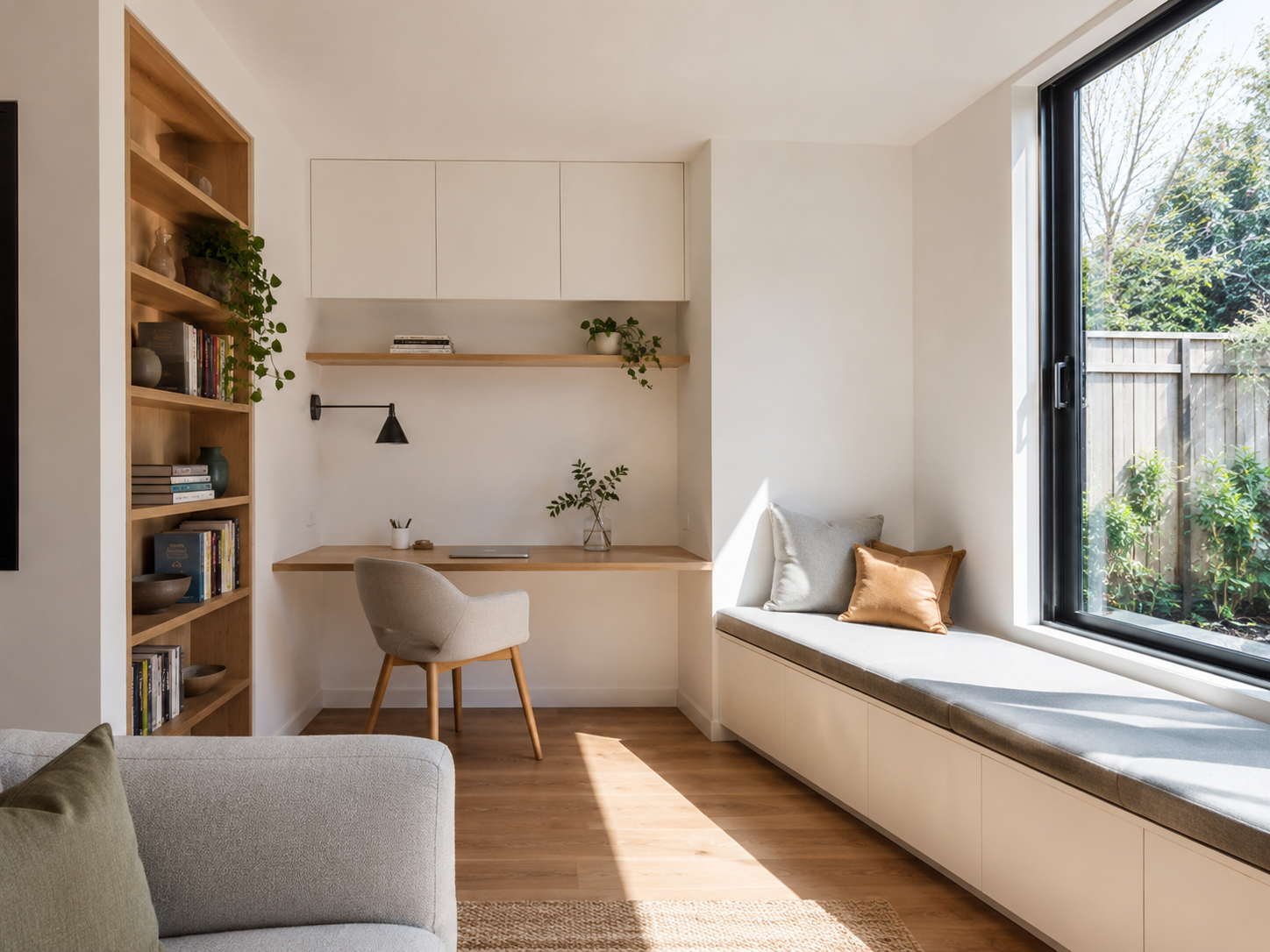


A thoughtful renovation should feel calm, useful and long-lasting. It should solve problems rather than create new ones. Most importantly, it should help you spend your budget where it makes the biggest difference.
Start with what the house already gives you
One of the most cost-effective renovation strategies is to work with the existing structure wherever possible.
Moving kitchens, bathrooms, laundries, structural walls and rooflines can quickly increase costs. Sometimes those changes are necessary, but they should not be the default starting point. Before assuming a major extension is required, it is worth asking whether the existing footprint can be improved.
Can a dark room be opened to natural light?
Can circulation be improved by changing doorways or internal openings?
Can an awkward rear area become a better living space without adding more floor area?
Can underused rooms be combined or reworked?
In many period and family homes, the problem is not always lack of space. It is poor layout, poor light or poor connection to the garden. Solving those issues can dramatically improve how a home feels without dramatically increasing its size.
Spend on structure, light and layout before finishes
When budgets are tight, it is tempting to focus on visible finishes first: tiles, benchtops, tapware, appliances and paint colours. These matter, but they are not where the real value of a renovation begins.
The most important design decisions are usually the ones that affect how the home works every day.
A well-placed window can improve natural light for decades.
A better kitchen layout can make family life easier every morning.
A strong connection between the living area and garden can change how the whole house feels.
A more efficient floor plan can reduce the need for a larger extension.
Finishes can be upgraded later. Poor layout is much harder to fix.
This is where architectural thinking can save money. A good design process helps prioritise the permanent decisions first, then makes the decorative and material choices work within the budget.
Keep the renovation focused
One of the biggest risks in any renovation is scope creep. It usually starts innocently.
While we are doing the kitchen, should we redo the laundry?
If we are opening this wall, should we replace all the flooring?
Should we also update the front rooms?
What about the bathroom?
Suddenly, a focused renovation has become a whole-house project wearing a fake moustache.
The best way to control this is to define the renovation’s purpose early. For example:
We need a better family living area.
We want more natural light.
We need the kitchen to work for daily life.
We want to preserve the character of the home while improving the rear.
We need to make the house more comfortable without overcapitalising.
Once the purpose is clear, every decision can be tested against it. If it does not support the main goal, it may need to wait.
Choose fewer, better materials
A cost-conscious renovation does not need to look cheap. In fact, simple material palettes often create the most timeless results.
Using too many finishes can increase cost and make a home feel visually busy. A more restrained approach can be both more affordable and more elegant.
This might mean using one consistent flooring material through the new living areas, choosing a simple tile used well, or investing in quality joinery only where it provides genuine daily value.
The aim is not to remove character. The aim is to avoid spending money on visual noise.
A well-designed renovation often relies on proportion, light, detail and material restraint rather than expensive feature finishes.
Be careful with trends
Trends can be useful for inspiration, but they are a risky foundation for renovation decisions.
A renovation should last longer than a social media cycle. Highly trend-led choices can date quickly, especially in kitchens, bathrooms and fixed joinery. This can make a home feel tired sooner and may lead to another round of spending earlier than necessary.
A more cost-effective approach is to keep the permanent elements simple and durable, then use furniture, artwork, lighting and styling to bring in personality.
This is especially important in period homes. The best renovations usually respect the original character while adding modern comfort and function. They do not fight the house. They let the old and new parts have a polite, well-dressed conversation.
Design for flexibility
A renovation budget works harder when spaces can serve more than one purpose.
This has become especially important as more people work from home, support growing children, care for older family members or need homes that can adapt over time.
A second living area might also work as a study.
A dining space might include built-in storage.
A guest room might double as a work-from-home space.
A hallway might become a useful library or storage wall.
A small nook might become a desk zone rather than wasted space.
Flexible design can reduce the need for more rooms, more floor area and more future alterations.
Do not underestimate storage
Storage is not glamorous, but it is one of the great quiet luxuries of good design.
A home without enough storage often feels smaller, messier and more stressful than it really is. Adding thoughtful storage can improve daily life without adding significant floor area.
This might include built-in robes, kitchen storage, laundry storage, hallway cupboards, window seats with storage or joinery that makes use of awkward spaces.
Good storage reduces clutter, improves function and helps the architecture feel calmer.
Consider staging the renovation
Not every renovation needs to be completed in one stage.
For some homeowners, a staged approach can make more financial sense. The key is to plan the whole vision early, even if the work is delivered over time.
This helps avoid expensive rework. For example, if a future bathroom, extension or upper-level addition may be part of the long-term plan, early design decisions can allow for that possibility.
Staging works best when the first stage does not compromise the future one. That is where a clear masterplan can be valuable.
Know where not to cut costs
Budget-conscious design is not the same as cutting corners.
Some areas deserve proper investment because they affect safety, comfort, compliance or long-term performance. These may include structure, waterproofing, insulation, windows, drainage, electrical work, ventilation and professional documentation.
Saving money in the wrong place can become expensive later.
The aim is not to choose the cheapest option. The aim is to make informed decisions about value.
A good renovation budget should distinguish between:
costs that improve long-term liveability
costs that reduce future maintenance
costs that support compliance and build quality
costs that are largely cosmetic
costs that can be deferred
That distinction can make the whole project clearer.
Work with an architect early
Many people assume an architect is an added cost. In reality, early design advice can help avoid costly mistakes.
An architect can help test options before you commit to a direction. They can identify opportunities in the existing home, clarify priorities, improve layout, consider planning constraints and help align the design with the available budget.
This is particularly valuable in Melbourne homes where heritage, period character, small blocks, awkward additions or planning overlays may influence what is possible.
The earlier these issues are considered, the easier it is to make smart decisions.
The best renovation is not always the biggest one
A successful renovation is not measured only in square metres.
It is measured in how the home feels in the morning. How easily the kitchen works. How light moves through the rooms. How well old and new parts connect. How comfortably the home supports daily life.
In a tighter economy, good design becomes even more important. It helps homeowners avoid waste, make confident decisions and create spaces that will continue to work well for years.
You do not need the biggest renovation to create a better home.
You need the right renovation.
If you are planning a renovation and want to make careful, design-led decisions before committing to a build, Mark MacInnis Architect can help you explore what is possible within your home, site and budget.
Get in touch to discuss your renovation plans.
Planning a renovation but conscious of budget?
Speak with Mark MacInnis Architect about practical, design-led ways to improve your home without overcapitalising.