A well-designed door does more than provide access. Discover how entry doors are becoming architectural statements through scale, materiality, detailing and performance-led design.
Read More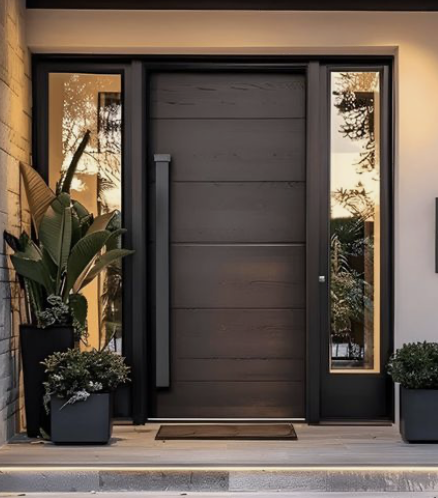
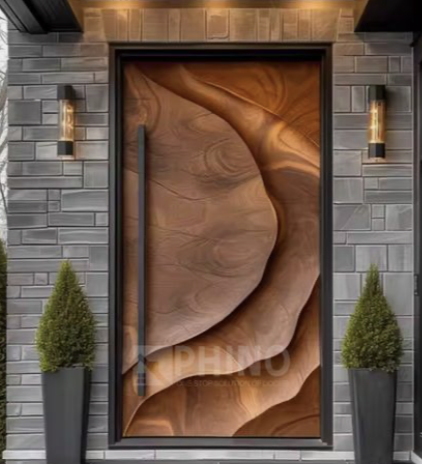
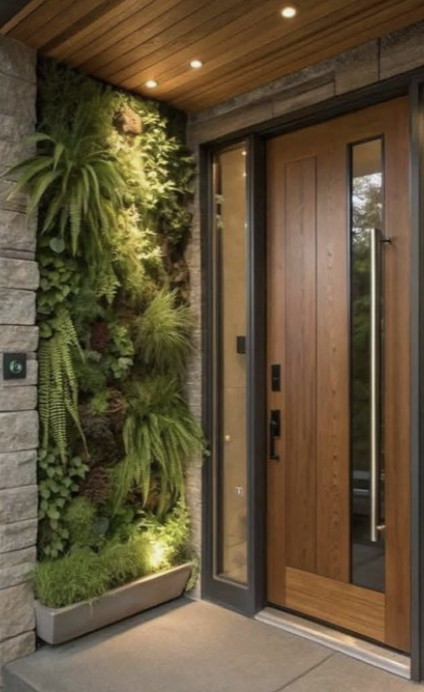
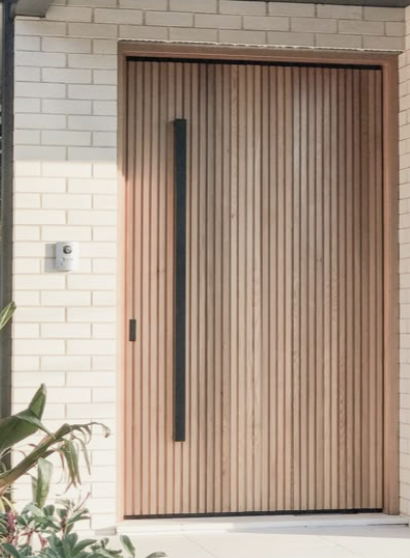
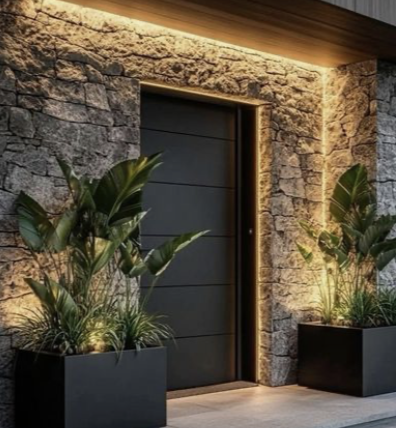
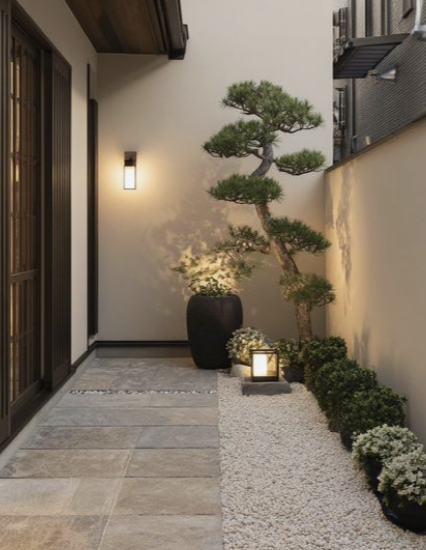
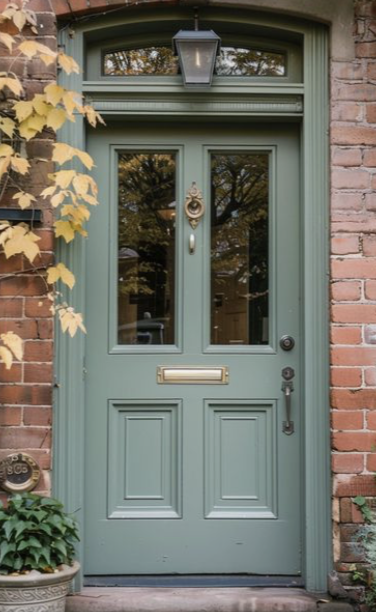
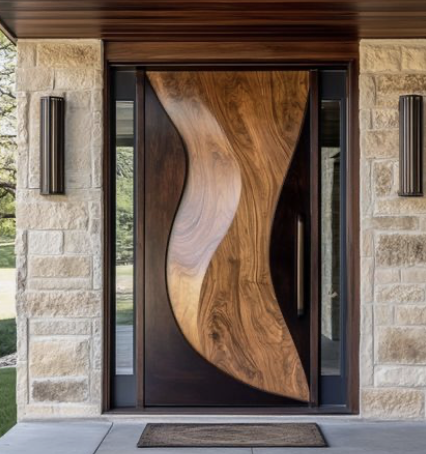
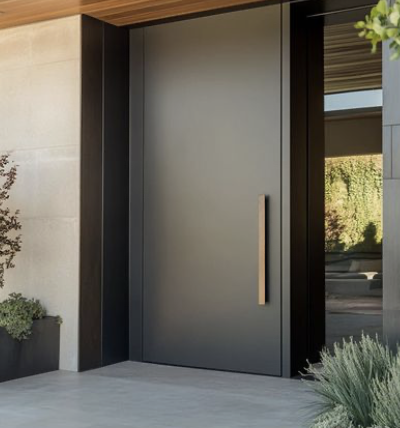
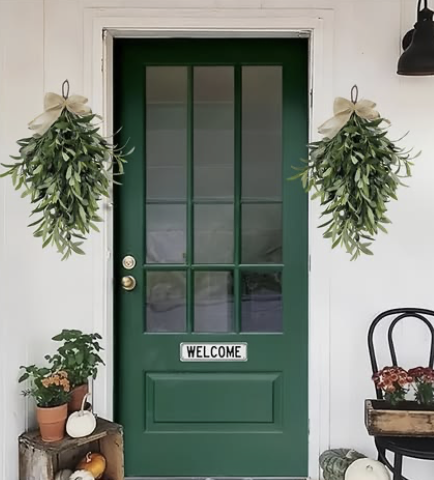
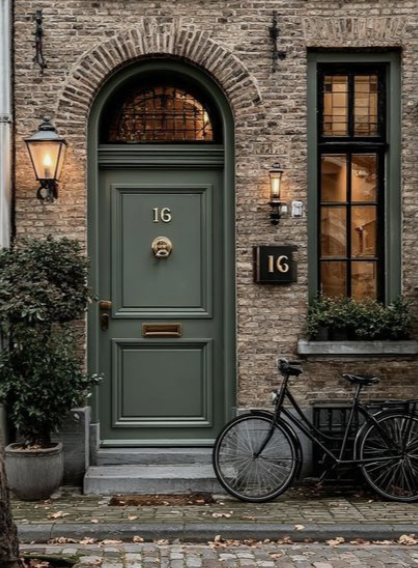
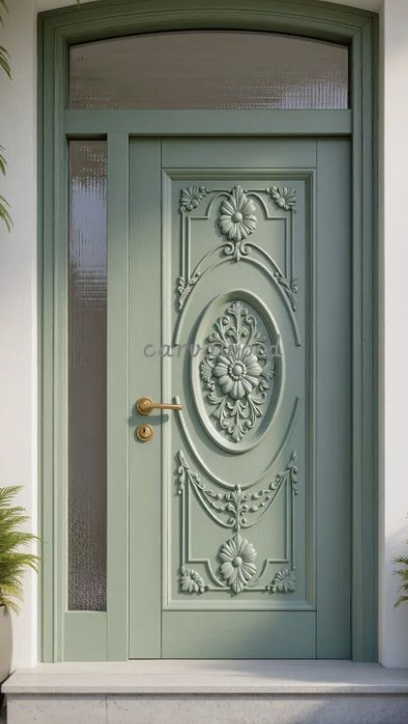

A well-designed door does more than provide access. Discover how entry doors are becoming architectural statements through scale, materiality, detailing and performance-led design.
Read MoreIf you’re planning a renovation or extension in 2026, you’re likely balancing more variables than homeowners did even five years ago.
Energy costs are rising. Households are changing shape. Budgets are tighter. And expectations around comfort, sustainability, and flexibility are higher than ever.
The result? Many homeowners are asking the same question early on: How do we design a home that still works in 10 or 20 years—without building more than we need right now?
This is where thoughtful, future-focused architectural planning matters.
One of the clearest trends heading into 2026 is a move away from oversized extensions toward better-designed, more adaptable spaces.
Rather than adding rooms for specific, short-term uses, many clients are choosing to invest in:
Rooms that can change function over time
Better connections between indoor and outdoor areas
Improved light, orientation, and thermal performance
A well-designed flexible space often outperforms an extra room that only works for one life stage.
Future-proofing isn’t about predicting the future perfectly—it’s about keeping options open.
In practical terms, this can include:
Spaces that work as a study now and a bedroom later
Ground-floor layouts that allow for ageing in place
Joinery and storage that can adapt as needs change
These decisions are easiest—and most cost-effective—when they’re considered early, before plans are locked in.
By 2026, energy efficiency is no longer a “nice to have.” It’s a core design requirement.
Homeowners are increasingly prioritising:
Passive design principles (orientation, shading, insulation)
All-electric homes ready for solar and battery storage
Materials that reduce long-term running costs, not just upfront spend
Good architectural design focuses first on reducing energy demand, rather than relying on technology alone to fix poor performance later.
Design trends come and go. Well-resolved homes endure.
Future-proof renovations tend to favour:
Robust, timeless materials
Clear spatial planning over decorative complexity
Details that age gracefully rather than date quickly
This doesn’t mean playing it safe—it means making intentional choices that will still feel right years down the track.
The most successful 2026 renovations don’t start with floor plans or Pinterest boards. They start with the right questions:
How do you want to live now—and later?
What constraints will shape the project long-term?
Where is it worth investing, and where is it not?
Working with an architect early helps translate these questions into a design that balances ambition with realism.
At Mark MacInnis Architect, projects are approached with longevity, clarity, and liveability in mind—helping homeowners make confident decisions before the build begins.
If you’re in the early stages of planning a renovation or extension, considered architectural advice can save time, cost, and stress later on.
You can explore recent projects or learn more about the design process at
👉 www.markmacinnis.com.au