
Spring is when most Melbourne families start thinking about building. A Brighton architect on why starting the design now is what gets you building next year.
Read MoreDesigning for summer: indoor-outdoor living that actually works in Melbourne
Indoor-outdoor living sounds simple until a Melbourne summer tests it. A Melbourne architect on the design decisions that make the connection between inside and out work all year, not just in the brochure.
Read MoreWhat Melbourne homeowners are asking for in 2026: five design themes from the drawing board
Five design themes shaping Melbourne renovations and extensions in 2026 — drawn from real client briefs, not trend lists. From a Melbourne architect.
Read MoreOpen plan or defined spaces? What Melbourne homeowners are choosing in 2026
Open plan had a twenty-year run. Here's how Melbourne homeowners are now balancing openness with rooms that actually fit how they live.
Read More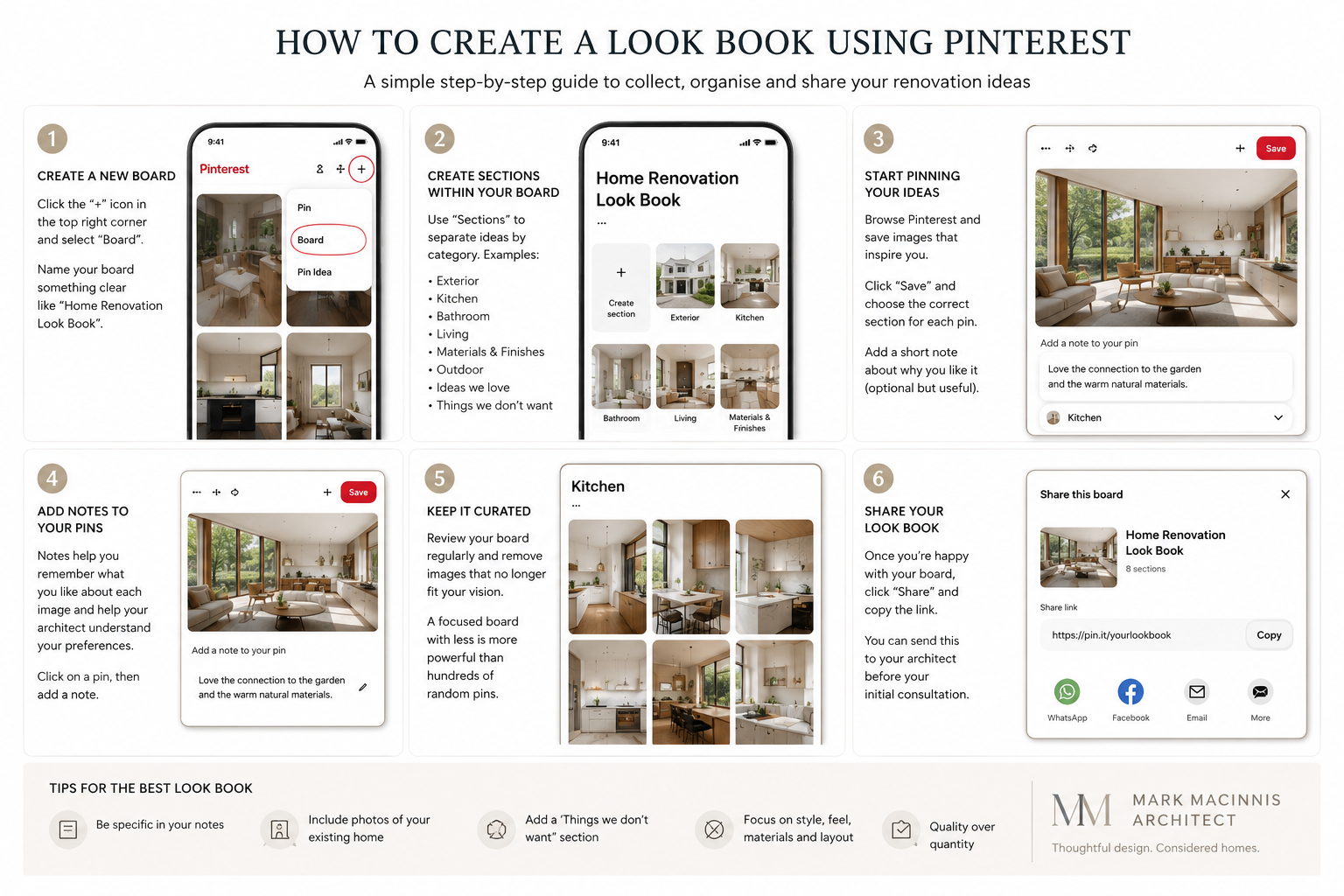

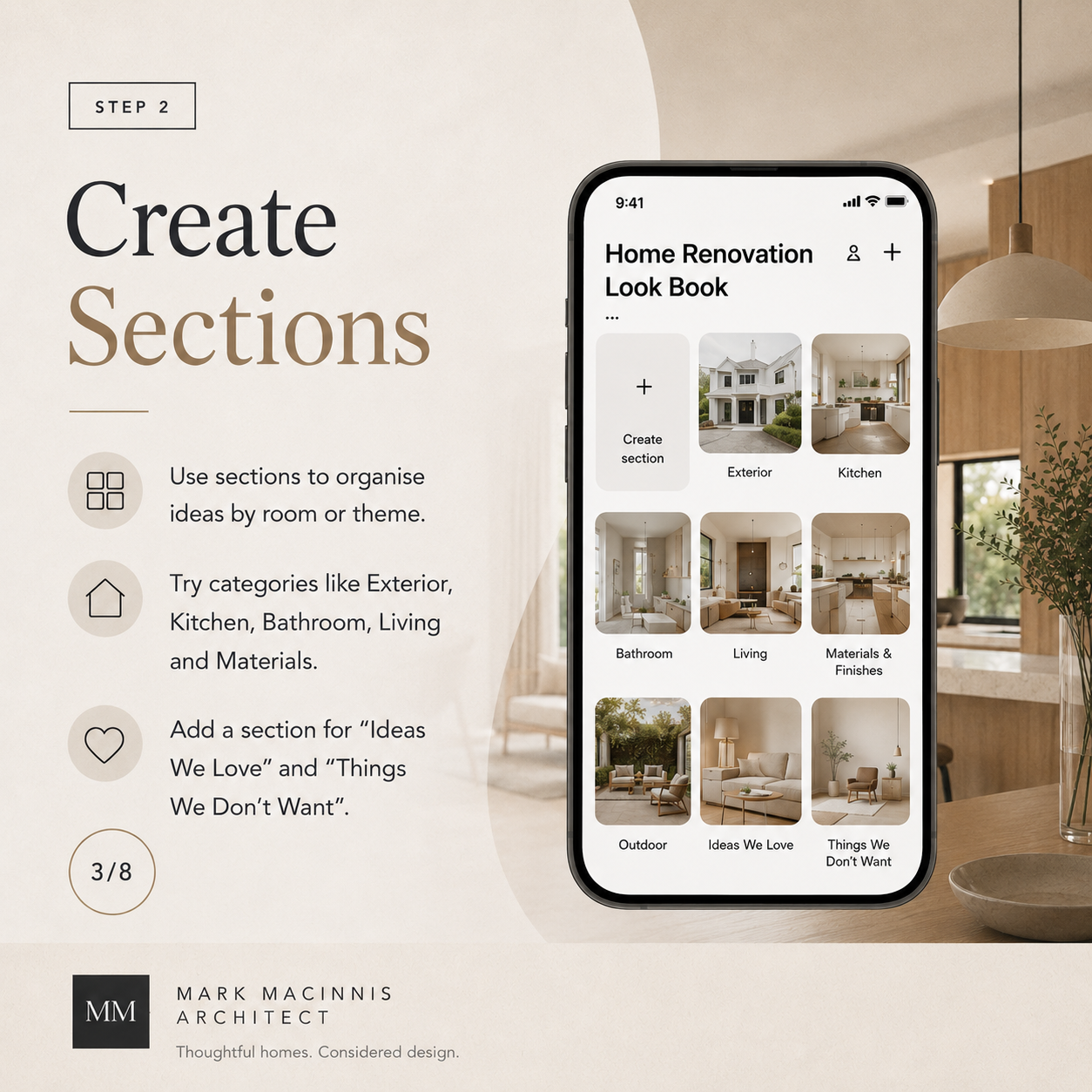
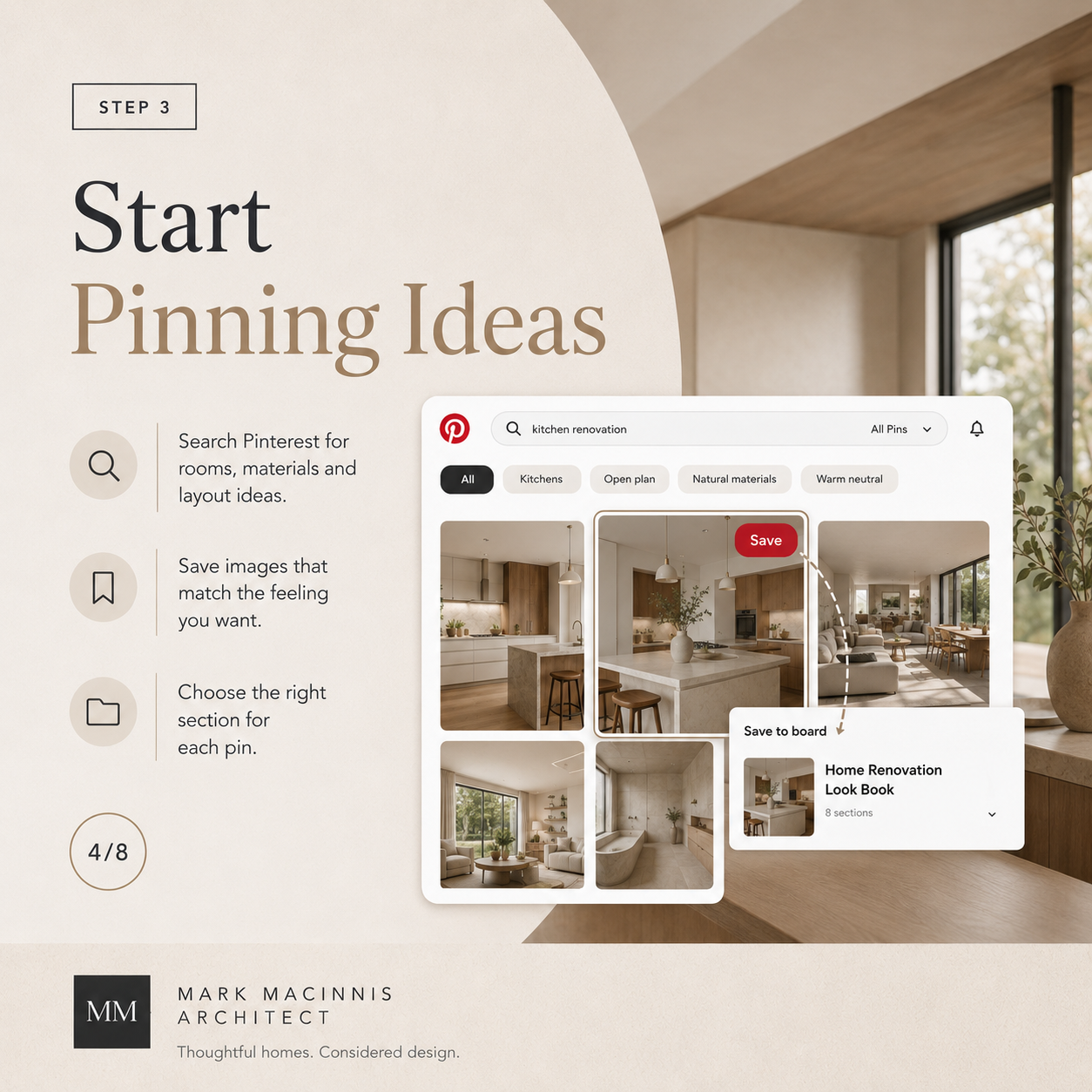



How to Use Tech to Create a Look Book of Ideas for Your Home Renovation
Planning a Melbourne renovation or extension? Learn how to use Pinterest, Canva, Houzz, Milanote and AI tools to create a clear look book that helps your architect understand your style.
Read MoreRenovating a Period Home in Melbourne: How to Keep the Character and Still Live in 2026
Thinking of renovating a Victorian or period home in Melbourne? How to keep the heritage façade, add a modern extension, and handle permits — from a Melbourne architect.
Read MoreRenovation vs Rebuild: How to Decide What’s Right for Your Home
Not sure whether to renovate, extend or rebuild? Learn the key design, budget, site and lifestyle factors Melbourne homeowners should consider before calling an architect.
Read MoreBuilding or Renovating? What the 2026 Federal Budget Could Mean for Your Home Plans
The 2026 Federal Budget includes changes to housing tax rules, infrastructure funding and energy rebates. Here’s what Melbourne homeowners should consider before building, renovating or designing a new home.
Read More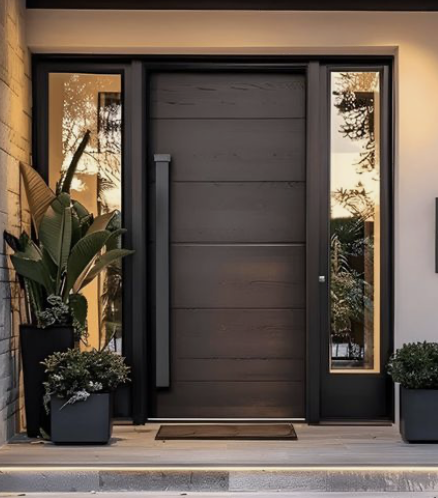
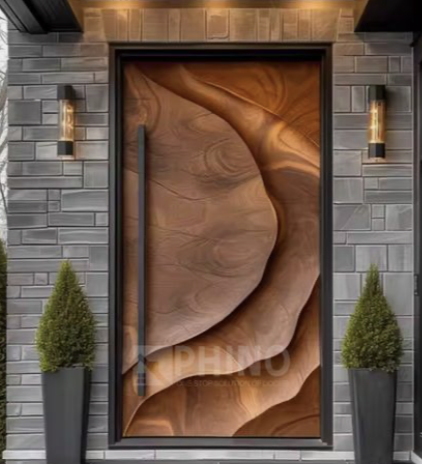
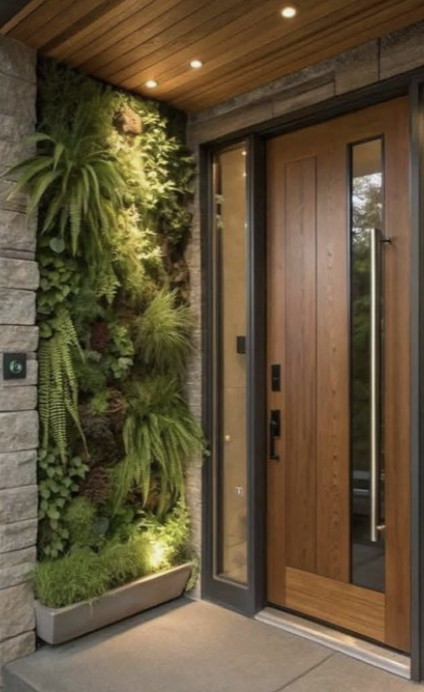
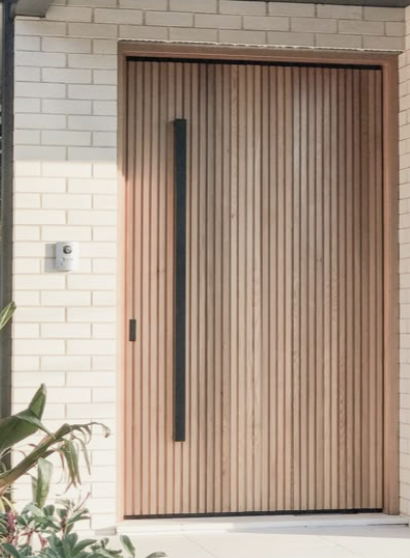
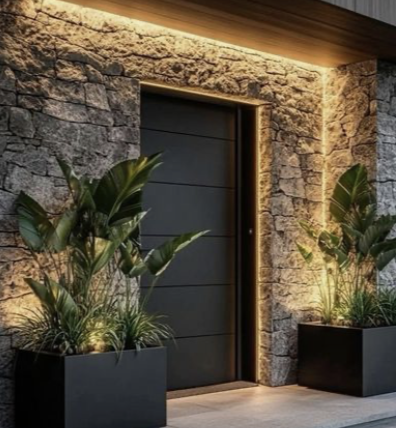
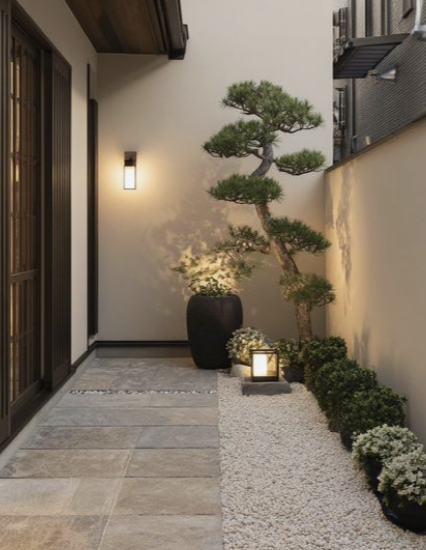
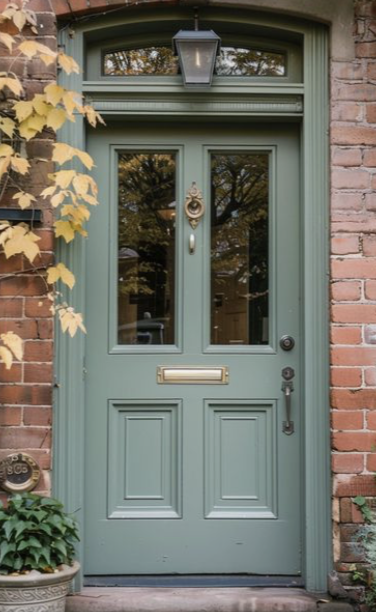
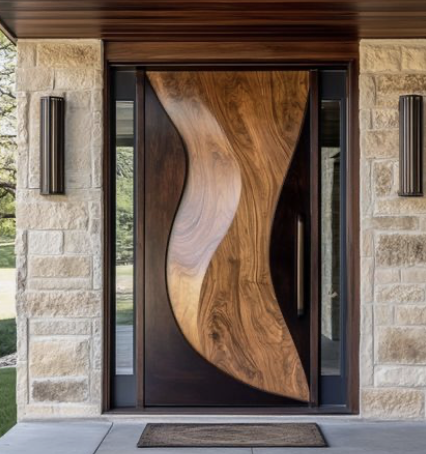
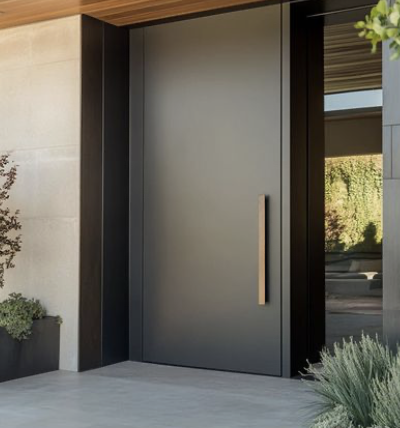
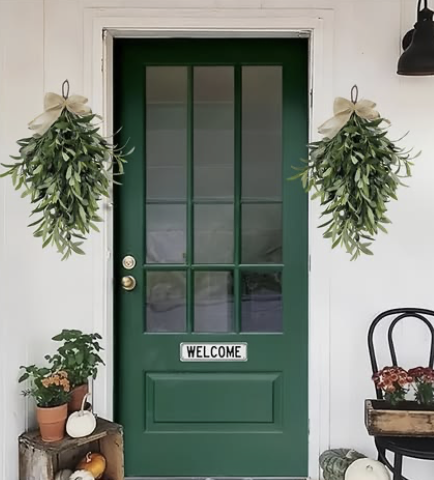
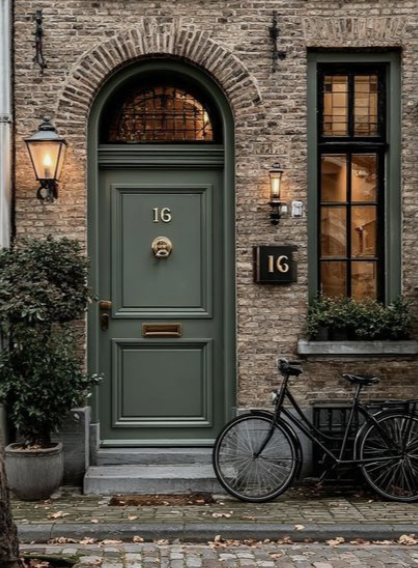
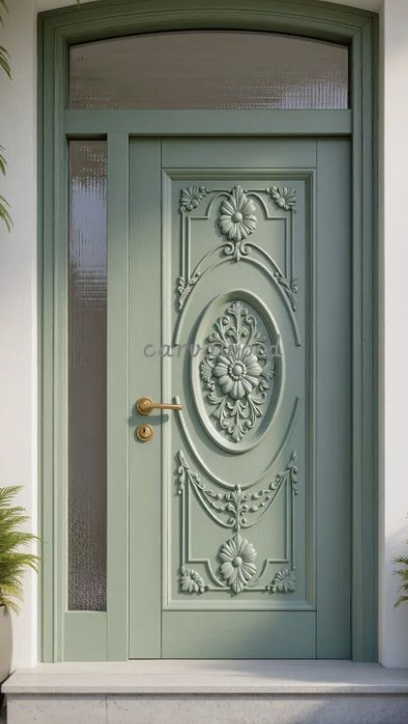
Doors as Entry Statements: Trends That Shape the Way a Home Is First Experienced
A well-designed door does more than provide access. Discover how entry doors are becoming architectural statements through scale, materiality, detailing and performance-led design.
Read MoreRenovate or Relocate? How to Make the Right Call for Your Melbourne Home
Not sure whether to renovate your current home or move on? Use Mark MacInnis Architect’s Renovate or Relocate tool to compare your options and make a more confident decision.
Read MoreRenovation Design Ideas Gaining Momentum in 2026 — and How to Use Them Well
Beyond Trends: What Homeowners Are Really Responding To in 2026
If you scan recent renovation coverage across Australian property and design publications, one thing becomes clear: homeowners aren’t chasing novelty. They’re responding to homes that feel calmer, warmer, and more considered.
What’s emerging in 2026 isn’t a single “look”, but a shift in priorities—away from fast finishes and toward spaces that support daily life better.
The challenge for renovators is knowing which ideas are worth building into the architecture—and which should remain inspiration only.
1. Warmer Materials, Used With Restraint
Across high-end residential projects, there’s a clear move away from stark whites and glossy finishes toward timber, stone, limewash, and textured surfaces.
The architectural insight here isn’t “use more timber”—it’s how materials are layered:
Fewer materials, used more consistently
Natural finishes that age well rather than stay pristine
Junctions and detailing that are deliberate, not decorative
When materials are resolved at a planning level—not added later—they feel integral rather than styled.
2. Rooms That Work Harder (and Change Over Time)
Homeowners are increasingly wary of designing rooms for single, fixed purposes.
Instead, successful 2026 renovations focus on:
Multi-use spaces with clear proportions
Rooms that can shift between work, rest, and hosting
Floor plans that adapt without structural change
Architecturally, this means prioritising good light, ceiling height, and circulation, so spaces remain flexible without feeling compromised.
3. A Softer Approach to Open Plan Living
The open-plan kitchen–living–dining area isn’t disappearing—but it is being refined.
Rather than one large, undefined space, newer renovations introduce:
Subtle zoning through ceiling changes or joinery
Partial separations that improve acoustics
Visual connection without constant exposure
This creates homes that feel open without being exhausting to live in.
4. Kitchens as Part of the Architecture, Not the Feature
In 2026, kitchens are becoming quieter—not less functional, but less dominant.
Design decisions trending strongly include:
Integrated storage rather than statement cabinetry
Materials that match the architecture of the house
Fewer visual breaks between kitchen and living areas
When kitchens are designed as part of the overall spatial strategy, they feel calmer and age more gracefully.
5. Light, Orientation, and Comfort Take Priority
Across renovation projects, performance is now driving design decisions.
Homeowners are paying closer attention to:
How winter sun enters the home
How spaces are shaded in summer
Cross-ventilation and passive cooling
These considerations are most effective when addressed early—often before aesthetic decisions are made.
Turning Inspiration Into Good Decisions
Design ideas are easy to collect. Translating them into a home that works—within planning controls, budgets, and real-life constraints—is where architectural thinking adds value.
A considered renovation isn’t about following trends. It’s about understanding why certain ideas resonate, and then shaping them to suit the site, the household, and the long term.
At Mark MacInnis Architect, renovations are guided by clarity, restraint, and longevity—helping homeowners make confident design decisions that still feel relevant years from now.
Designing a Renovation in 2026: How to Future-Proof Your Home Without Overbuilding
Designing for Change, Not Just for Today
If you’re planning a renovation or extension in 2026, you’re likely balancing more variables than homeowners did even five years ago.
Energy costs are rising. Households are changing shape. Budgets are tighter. And expectations around comfort, sustainability, and flexibility are higher than ever.
The result? Many homeowners are asking the same question early on: How do we design a home that still works in 10 or 20 years—without building more than we need right now?
This is where thoughtful, future-focused architectural planning matters.
The Shift Away From “Bigger Is Better”
One of the clearest trends heading into 2026 is a move away from oversized extensions toward better-designed, more adaptable spaces.
Rather than adding rooms for specific, short-term uses, many clients are choosing to invest in:
Rooms that can change function over time
Better connections between indoor and outdoor areas
Improved light, orientation, and thermal performance
A well-designed flexible space often outperforms an extra room that only works for one life stage.
Designing Flexibility Into the Floor Plan
Future-proofing isn’t about predicting the future perfectly—it’s about keeping options open.
In practical terms, this can include:
Spaces that work as a study now and a bedroom later
Ground-floor layouts that allow for ageing in place
Joinery and storage that can adapt as needs change
These decisions are easiest—and most cost-effective—when they’re considered early, before plans are locked in.
Energy Performance Is No Longer Optional
By 2026, energy efficiency is no longer a “nice to have.” It’s a core design requirement.
Homeowners are increasingly prioritising:
Passive design principles (orientation, shading, insulation)
All-electric homes ready for solar and battery storage
Materials that reduce long-term running costs, not just upfront spend
Good architectural design focuses first on reducing energy demand, rather than relying on technology alone to fix poor performance later.
Build for Longevity, Not Trends
Design trends come and go. Well-resolved homes endure.
Future-proof renovations tend to favour:
Robust, timeless materials
Clear spatial planning over decorative complexity
Details that age gracefully rather than date quickly
This doesn’t mean playing it safe—it means making intentional choices that will still feel right years down the track.
Start With the Right Conversations
The most successful 2026 renovations don’t start with floor plans or Pinterest boards. They start with the right questions:
How do you want to live now—and later?
What constraints will shape the project long-term?
Where is it worth investing, and where is it not?
Working with an architect early helps translate these questions into a design that balances ambition with realism.
At Mark MacInnis Architect, projects are approached with longevity, clarity, and liveability in mind—helping homeowners make confident decisions before the build begins.
Thinking About Renovating in 2026?
If you’re in the early stages of planning a renovation or extension, considered architectural advice can save time, cost, and stress later on.
You can explore recent projects or learn more about the design process at
👉 www.markmacinnis.com.au
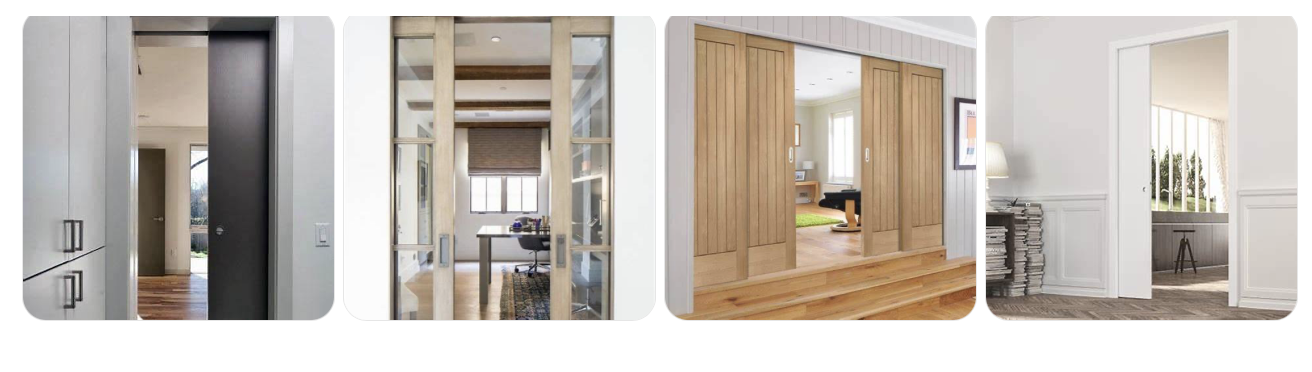
Pocket doors in your renovation: when they work, and when they don’t
Thinking about pocket doors for your renovation? Here’s when they work brilliantly, the design benefits, and what to watch out for before you commit.
Read MoreWhen It’s Time to Change Architects: How to Get Your Project Back on Track
Considering changing architects mid-project? Learn why it happens, what to watch for, and how to ensure a smooth transition to a better design outcome.
Read MoreRenovation Ready by New Year: 12 Smart Moves to Kick-Off in Early 2026 (Melbourne)
Christmas is weeks away. Here’s a Melbourne-specific checklist to fast-track your renovation so design, permits and builders line up for a smooth 2026 start.
Read MoreSmarter Renovations & New Homes in Melbourne: How an Architect Adds Real Value
Heritage at the front. Modern at the back.
Our new guide shows how to design for Melbourne’s overlays, hit 7-star, and keep costs in check—without losing character.
Top 10 Architectural Trends Inspiring Australian Homes in 2025–2026
Discover the top 10 architectural trends shaping Australian homes in 2025–2026, from sustainable design to modular living and bespoke detailing.
Read MoreTop 5 Mistakes People Make When Renovating Without a Melbourne Architect
💡 Thinking of renovating your Melbourne home? Skipping an architect might cost you more than you think.
Discover the Top 5 Mistakes People Make Without a Melbourne Architect—and how to avoid them.
Duplex Design – How to Create Light, Space and Wow Factor
In Melbourne, duplexes are becoming an innovative way for second-home buyers to maximise land value while still enjoying the lifestyle of a bespoke home. Done well, a duplex doesn’t feel like a compromise—it feels like a sanctuary. The trick lies in clever design: making the most of light, storage, gardens, and those small details that deliver a big “wow.”
1. Make Natural Light the Hero
Space is important, but light is what makes a home feel uplifting. When designing a duplex, windows, courtyards, and skylights can draw daylight deep into the home.
Corner glazing can open up living rooms.
Clerestory windows (high-level windows) bring in sun while preserving privacy.
Internal courtyards flood both sides of the home with light, reducing the reliance on artificial lighting.
Light is also a sustainability strategy—lowering energy use and keeping interiors healthier.
2. Design Storage That Works Harder
A duplex means you need every square metre to work overtime. Storage is where thoughtful design shines.
Under-stair cupboards can transform into pantries or wine cellars.
Concealed laundry joinery doubles as a mudroom for coats, boots, and school bags.
Garage walls fitted with vertical racks save precious floor space.
Built-in cabinetry along walls keeps living areas uncluttered and contemporary.
When storage is integrated, it doesn’t just save space—it makes a home feel calmer and more intentional.
3. Blur the Line Between Indoors and Outdoors
Melbourne’s changing seasons don’t stop us from wanting a strong garden connection. A well-designed duplex allows for indoor–outdoor living that feels natural.
Sliding or bi-fold doors create alfresco dining zones.
Green walls or pocket courtyards bring nature right into kitchens or bathrooms.
Landscaped front entries can turn even a compact block into a welcoming arrival.
It’s about designing gardens not just as backyards, but as part of the living experience.
4. Prioritise Privacy and Acoustic Comfort
Sharing a wall doesn’t mean sharing your life. Smart design ensures privacy.
Double-brick or acoustic wall systems reduce sound transfer.
Windows positioned to avoid direct views into neighbours’ homes maintain a sense of retreat.
Separate outdoor spaces give each side of the duplex its own breathing room.
Privacy means you get all the efficiency of a shared block without feeling overlooked.
5. Create a “Wow” Moment
Every home deserves a feature that makes you pause. In duplexes, this can be subtle or dramatic:
A double-height void with a floating staircase
A bold kitchen island that anchors the open-plan living space
A sculptural pendant light draws the eye upward
Landscaping that frames the home beautifully from the street
It’s about designing one focal point that sets your home apart and creates lasting value.
Sneak Peek Ideas for Duplex Living
If you’re dreaming about your own duplex, here are some design ideas to spark your imagination:
Storage: secret pantry doors, underfloor storage in bedrooms, ceiling-hung drying racks.
Wow factor: cantilevered upper floors, exposed timber beams, statement lighting.
Light: skylights over stairwells, glazed balustrades, internal lightwells.
Garden inside: atriums, vertical gardens, green “nooks” under stairs.
Final Word
Duplex design isn’t about compromise—it’s about balance. When you combine thoughtful planning with creative flair, you can have a home that feels generous, connected, and uniquely yours.
Working with a local architect who understands Melbourne’s blocks, orientation, and council overlays is key. At Mark MacInnis Architect, we design duplexes that don’t just fit the land—they fit the life you want to live.
How an Architecturally Designed Renovation Can Boost Your Melbourne Home’s Value
For many Melbourne homeowners—especially those buying a second home—renovating is about more than just aesthetics. It’s an investment. Whether you’re dreaming of more space, a better flow, or a stunning open-plan living area, working with an architect doesn’t just help you design a beautiful home—it can significantly increase your property’s market value.
At Mark MacInnis Architect, we specialise in helping Melbourne residents turn their second homes into forever homes. Here’s how great design translates into real dollars
Why Renovate with an Architect?
It’s a question we hear often: Why not just go straight to a builder? While builders can bring your plans to life, a registered architect brings the vision. Our role is to unlock your home’s potential by rethinking layout, flow, orientation, natural light and spatial use so that every dollar you spend delivers lasting impact and appeal.
Architectural design can:
Improve livability and energy efficiency
Create better spatial flow for family life
Maximise views, sunlight and privacy
Add timeless, marketable design features
Future-proof your home for changing needs
The Value Equation: Design vs. Resale
Real estate data consistently shows that well-designed renovations outperform generic upgrades. According to Domain and CoreLogic, homes with high-quality renovations—especially those designed by architects—sell faster and for a higher price. Strategic design can often add 15–25% or more to your home’s value, depending on the suburb and scope of work.

Please take one of our recent clients in Melbourne’s Inner North. Their original 1980s layout was dark and disconnected. With a considered extension and comprehensive internal redesign, we created an open-plan kitchen-living zone, added a second bathroom, and introduced natural light through clerestory windows. Six months after completion, the agent valued the home 20% higher than it was before the renovation.
What Adds the Most Value in Melbourne Homes?
In our experience, these architectural features consistently boost home value:
Open-plan kitchen/dining/living with indoor-outdoor flow
Additional bedroom or flexible home office
Master with ensuite and walk-in robe
Better energy efficiency and thermal performance
Street appeal through modern yet contextual façade design
Every site and client is different, which is why our design process is tailored to your specific needs, family, and future.
What Does It Cost to Engage an Architect?
Our services are an investment in doing it right the first time. Architect fees typically range from 8% to 15% of the construction budget, depending on service level. However, this upfront cost is often recouped—and sometimes exceeded—through improved resale value, energy savings, and the avoidance of costly design errors.
Final Thoughts: Design for Life—and Value
Renovating your Melbourne home should be about more than just today’s needs. With innovative architectural design, you’re not only improving how your home feels—you’re building future value. Whether it’s your forever home or part of your long-term financial strategy, working with an architect pays dividends.
At Mark MacInnis Architect, we help homeowners create homes that feel good, work well, and grow in value. If you’re planning a renovation or extension, let’s talk about how we can unlock the potential in your home.
👉 Book your free 20-minute call to get started.