
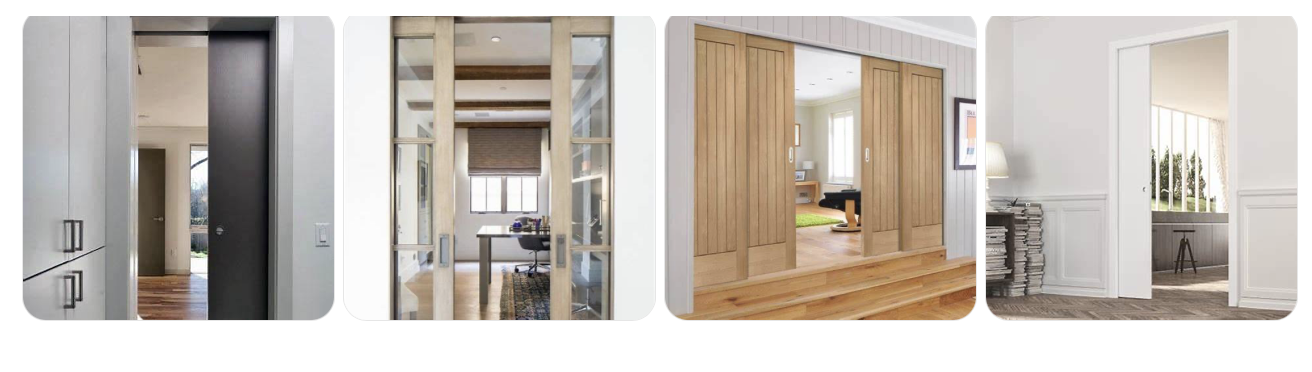
Pocket doors are one of those quiet design moves that clients love once they live with them. They disappear into the wall cavity, instead of swinging into the room, which means no door leaf stealing floor space or crashing into furniture.
Used thoughtfully, they don’t just save space – they can completely change how a home feels and functions.
What is a pocket door, really?
In simple terms, a pocket door is a sliding door that runs on a track and disappears into a compartment in the wall when it’s fully open.
Unlike a barn door or surface slider, you don’t see it stacking along the wall; it vanishes. That makes them ideal where:
You don’t have room for a swinging door
You want an opening to read as a clean portal when the door is open
You want flexibility between “open plan” and “closed off” modes Pocket Door Superstore+1
When pocket doors are a smart move
1. Tight rooms where every millimetre counts
Anywhere a hinged door would be constantly in the way, a pocket door starts to look clever:
Ensuite bathrooms off the main bedroom
Laundry or mudroom entries
Walk-in pantries
Narrow hallways or secondary bedrooms
Because the door slides into the wall, you avoid the swing radius that would normally eat into the room. In some layouts, that can free up enough space to fit in extra joinery or a more generous shower.
2. Zoning open-plan living without losing openness
Open-plan living is great… until somebody wants quiet, or the kids are doing homework while dinner is going on. Pocket doors let you:
Close off a TV room from the main living area
Separate a study/guest room from the living zone
Create a cosy dining room that can also open back to the kitchen
In these cases, double pocket doors can create a wide opening that reads as part of the open plan when they’re stacked away, and a proper room when they’re closed.
3. Sharing light between spaces
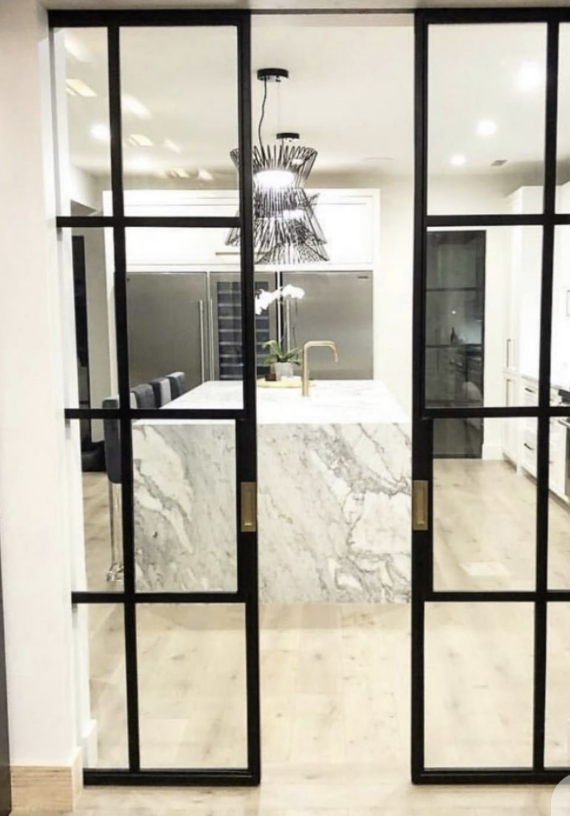
If you use glazed or reeded-glass pocket doors, you get privacy and daylight. That’s useful for:
Internal rooms that would otherwise rely on artificial light
Studies or guest rooms off hallways
Bathrooms where you want diffused light but some separation
Frosted or reeded glass panels can bring a soft glow into darker parts of the house while still hiding the mess on the other side.
4. Creating visual calm and cleaner lines
From a design point of view, pocket doors reduce “door clutter”. In a renovation with multiple rooms coming off one circulation spine, a run of swinging doors can look busy.
Pocket doors can:
Sit flush with the wall for a very minimal, contemporary look
Align with wall panelling so the opening feels integrated
Use the same finish as adjacent joinery (e.g. timber door that lines up with a timber wall) GlassDoorFactory+1
You get more control over sightlines – critical in long views from the front door through to the garden.
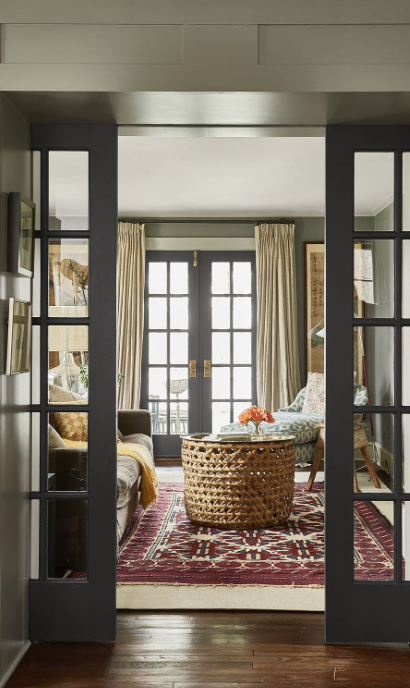
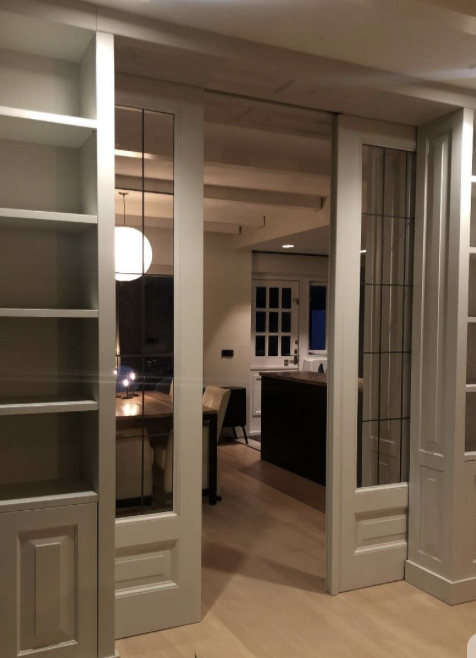
Design choices: making pocket doors part of the aesthetic
Pocket doors don’t have to be a neutral, “invisible” move. They can be a feature in their own right.
Material:
Warm timbers for character homes and extensions
Painted panelled doors in period homes
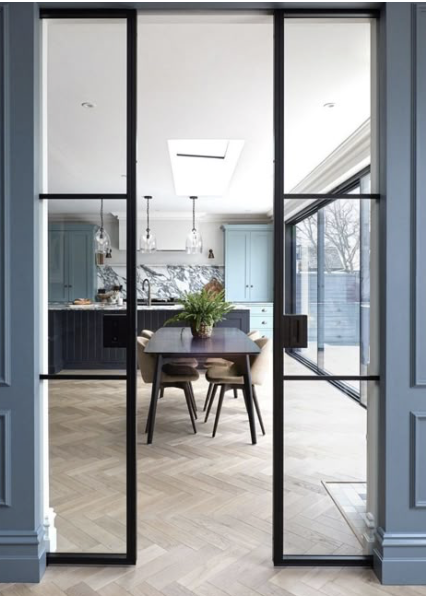
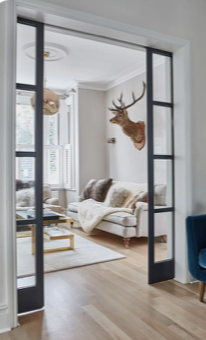
Slim steel-framed glass for a more urbane, loft feel
Height and proportion:
Taking doors full-height (to the ceiling line) makes rooms feel taller and more contemporary, and suits new additions to older homes.Hardware:
Recessed pulls keep things neat. Soft-close and soft-open mechanisms feel more refined and reduce wear on the frame over time.The practical fine print: when pocket doors are not ideal
Pocket doors aren’t a silver bullet. A few things Mark will typically check early in design:
1. Wall construction and services
Pocket doors need a clear wall cavity. They work best in new stud walls without:
Plumbing stacks
Large electrical runs, switches or GPOs where the door needs to slide
Heavy wall-hung fixtures (vanities, shelving, radiators)
They can be engineered into other wall types, but it’s trickier and more expensive, so they’re best planned from day one.GFD Homes+1
2. Acoustic privacy
Even with good hardware and seals, a pocket door generally won’t be as acoustically solid as a well-detailed hinged door. For rooms where privacy is critical – main bathrooms, teenager bedrooms, media rooms – Mark might recommend:
Solid core hinged doors with proper seals, or
Pocket doors combined with additional acoustic measures (e.g. rugs, soft furnishings, wall linings)
3. Durability and maintenance
Quality of the frame and track matters. Cheaper systems can:
Rattle
Go out of alignment
Be difficult to service once the wall is lined
Specifying a good system and correct installation is part of the architectural documentation – this is where having someone obsessing over the details in the background pays off.
How Mark uses pocket doors in Melbourne renovations
A few typical scenarios where Mark might propose pocket doors:
Terrace house extension
Double pocket doors between the new open-plan living space and a front sitting room, so it can be either a quiet retreat or part of the party.1920s or mid-century home upgrade
Pocket door to a laundry off the kitchen, keeping appliances hidden but easily accessible, with a matching timber finish that ties into original floors.Family home with teens and hybrid working
Glazed pocket doors to a study/guest room off the main living area, letting light through while still giving acoustic separation for Zoom calls or visitors.
Each project is about balancing flow, light, privacy and the character of the existing home – pocket doors are one of the tools Mark uses to get that balance right.
Thinking about pocket doors in your own renovation or extension? They’re one of those details that work best when they’re considered right from the first sketch, not added at the end.
To talk through whether they make sense in your floor plan, book a design chat with Mark.