
When clients show up with a camera roll full of screenshots, it’s usually a mix of different styles: a bit of Japandi here, some Hamptons there, a rogue industrial loft thrown in for good measure.
This guide is designed as a quick map of the major styles plus who to follow so you can refine your taste and brief more clearly. It’s not about boxing you in; it’s about giving you language and references so you and your architect are talking about the same thing.
1. Contemporary / Modern
Clean lines, lots of glass, strong connection to the garden, neutral base with moments of drama. Contemporary homes often blend elements from several styles but feel fresh and current rather than period-specific.
Who to follow
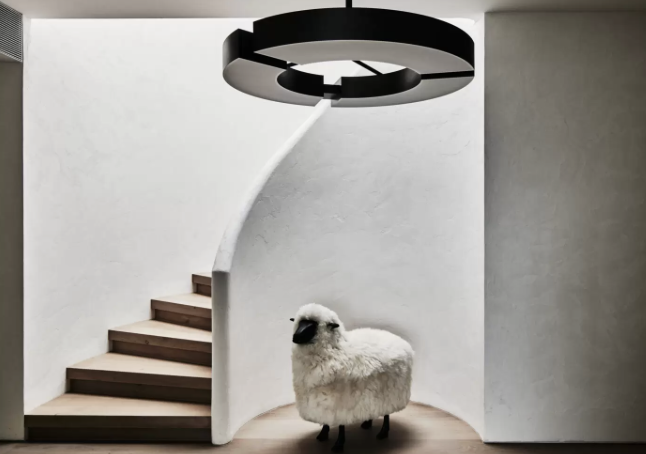
David Hicks
David Hicks (Melbourne) – Luxury, modern interiors with bold detailing and strong architecture.
https://davidhicks.com
Flack Studio (Melbourne) – Rich colour, texture and art layered over strong architectural bones.
https://flack.studio
Nate Berkus – Warm, collected modern-classic style that still feels liveable.
https://www.instagram.com/nateberkus/
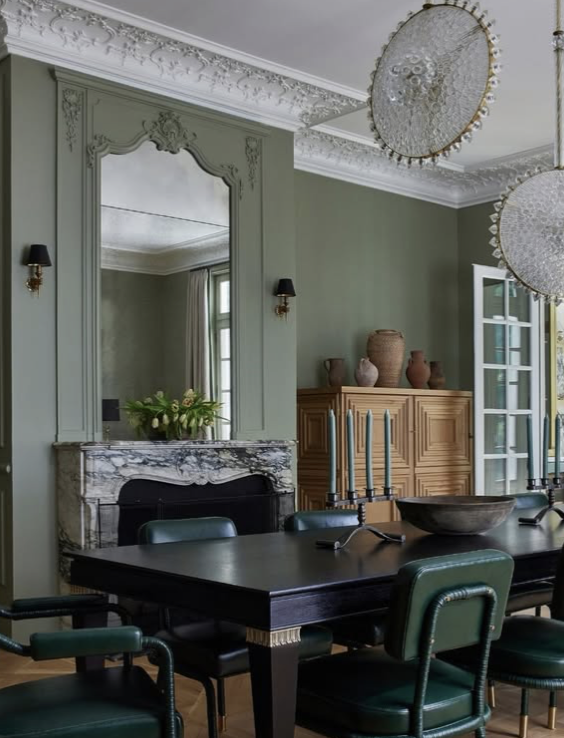
Nate Berkus
2. Minimalist / Japandi
Less stuff, more intention. Minimalist and Japandi interiors use simple forms, negative space, and beautiful materials. Think pale timber, stone, soft neutrals, and very controlled clutter.
Who to follow
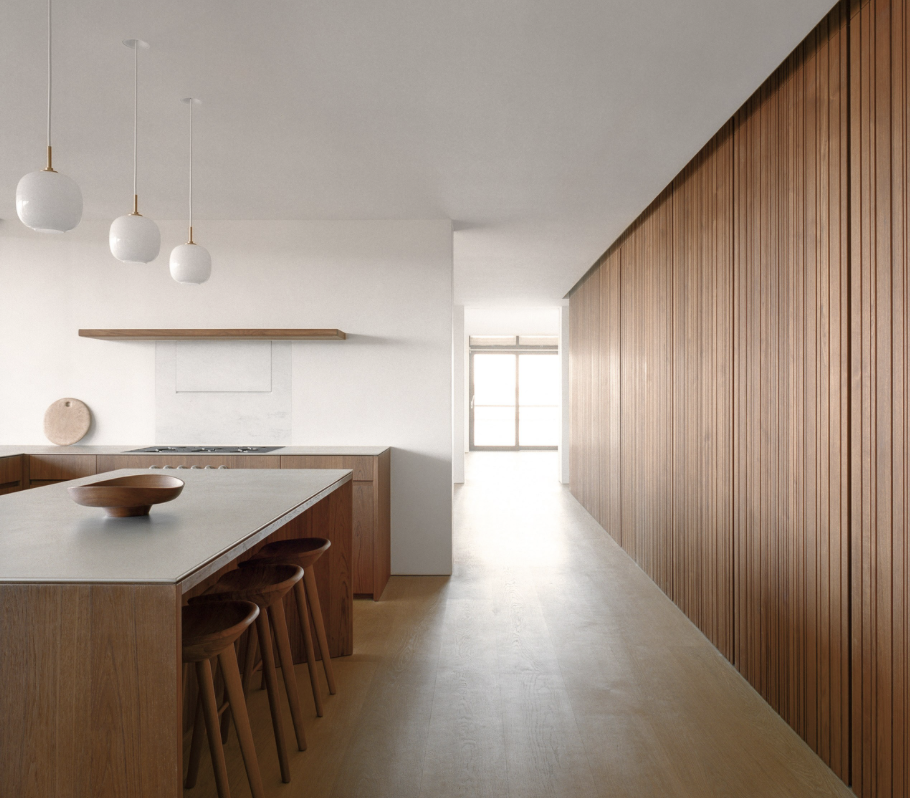
John Pawson
John Pawson – Architectural minimalism; calm spaces built around light and proportion.
https://www.johnpawson.com
Norm Architects – Danish office blending minimalist design with tactile materials.
https://normcph.com
House of Grey – London studio focused on wellness-centred, sustainable minimalism.
https://www.houseofgrey.co.uk
3. Scandinavian
Light, functional, cosy. Scandinavian style is big on natural light, pale timber, white walls, and a “less but better” approach – with plenty of texture and plants to stop it feeling cold.
Who to follow
My Scandinavian Home (Niki Brantmark) – Everyday Nordic interiors, from tiny apartments to cabins.
https://www.myscandinavianhome.com
https://www.instagram.com/myscandinavianhome/
Bed Threads journal’s Scandi roundups – Great gateway to other Nordic accounts.
https://bedthreads.com.au/blogs/journal/best-scandinavian-instagram-accounts
4. Boho / Bohemian
Relaxed, layered, plant-filled. Boho interiors lean on pattern, global textiles, vintage furniture and lots of greenery. It’s less about rules and more about personality.
Who to follow
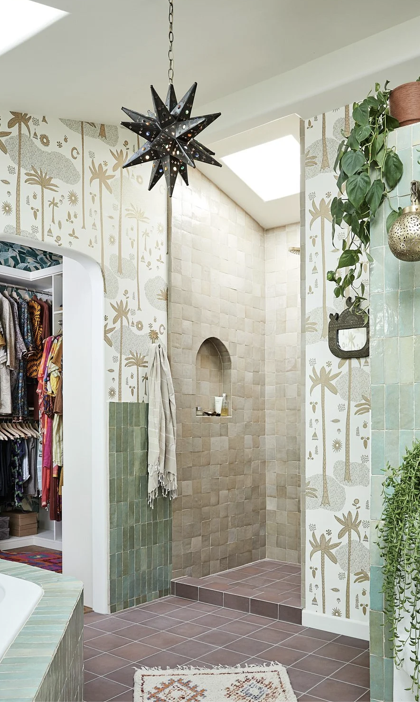
Justina Blakeney
Justina Blakeney / Jungalow – Arguably the modern boho reference: fearless pattern, colour and plants.
https://www.justinablakeney.com
https://www.instagram.com/thejungalow/
@interior_boho – Curated boho interiors, DIY and styling ideas.
https://www.instagram.com/interior_boho/
Boho decor roundups – Lists like “10 best boho Instagram accounts” are good rabbit holes.
https://www.baanbohochic.com/the-10-best-instagram-accounts-for-boho-decor-lovers
5. Traditional / Classic
Symmetry, panelling, antique or reproduction furniture, layered fabrics and a calmer, more formal feel. Traditional interiors can still feel modern when edited and lightened up.
Who to follow
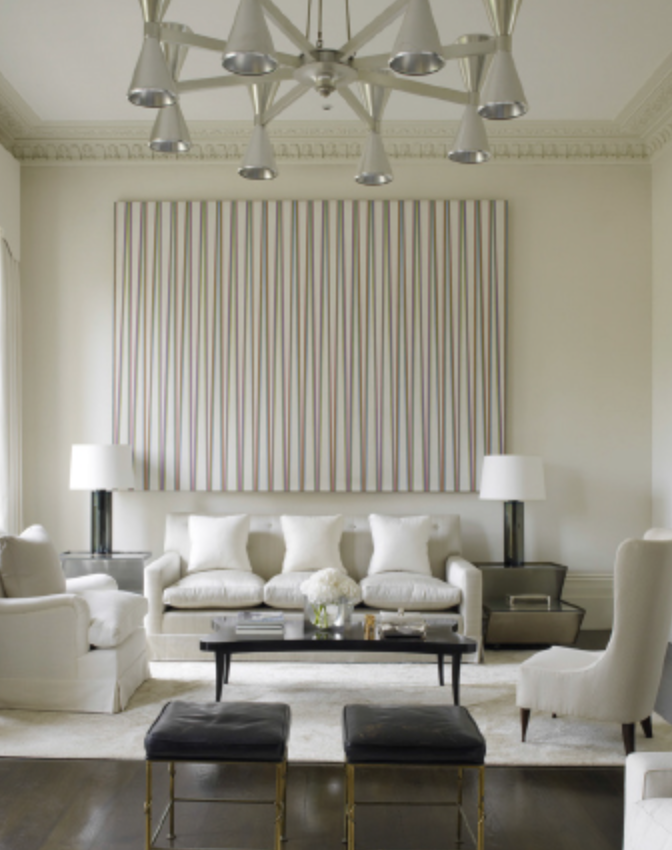
Veerne Grenen
Veere Grenney – Master of classic, tailored rooms with a light touch.
https://veeregrenney.com
Nate Berkus (again) – Sits in that modern-traditional crossover sweet spot.
https://www.instagram.com/nateberkus/
House & Garden “traditional interiors” gallery – Great for studying detailing and proportion.
https://www.houseandgarden.co.uk/gallery/the-list-members-favourites-traditional-interiors
6. Country / Farmhouse
Cosy, practical, a bit nostalgic. Think natural timber, shaker profiles, vintage finds, open shelving and an emphasis on the kitchen and garden. Modern farmhouse blends rustic bones with cleaner lines and lighter colours.
Who to follow
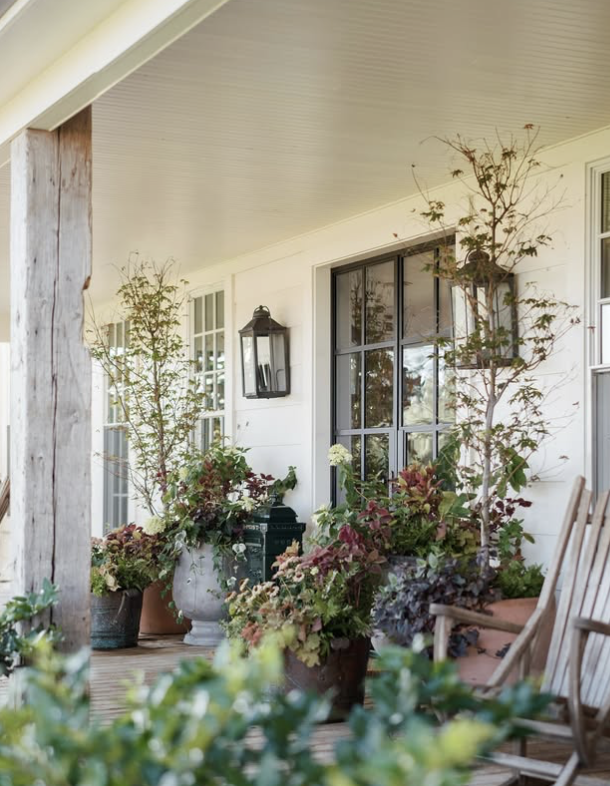
Magnolia
Joanna Gaines / Magnolia – Widely credited with popularising modern farmhouse style.
https://magnolia.com
https://www.instagram.com/joannagaines/
Magnolia blog: “A Look Inside Our Farmhouse” – Good case study in evolving farmhouse style.
https://magnolia.com/blogs/article/a-look-inside-our-farmhouse
Australian rural/country inspiration – Look for local builders and stylists who mix farmhouse with Australian light and landscape (often featured in Country Style or The Design Files).
7. Coastal / Hamptons
Light, bright, breezy. Coastal and Hamptons interiors use crisp whites, soft blues, panelling, generous cabinetry and an emphasis on indoor–outdoor flow. Extremely popular in Australia because it matches how we live.
Who to follow
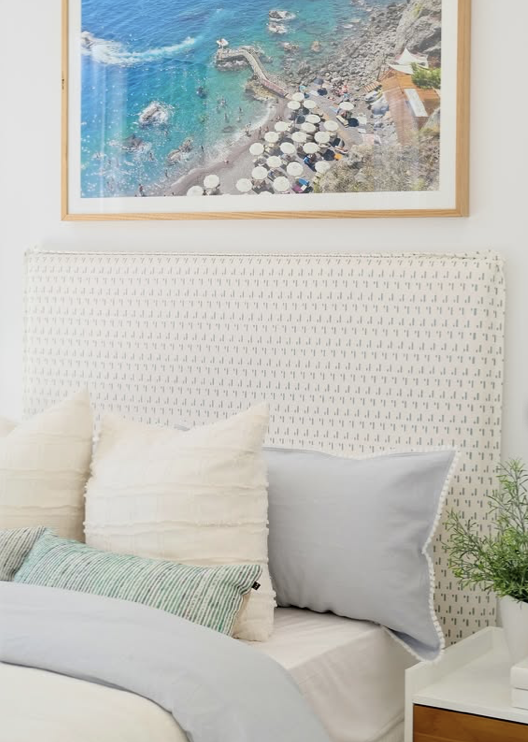
Susnna Tolo
Coastal Hampton Style (Susanna Tolo, QLD) – Australian take on Hamptons/coastal homes and tours.
https://www.instagram.com/coastalhamptonstyle/
Hamptons in Highfields (Emma Fuller) – Hamptons meets country in an Australian context.
https://www.instagram.com/hamptonsinhighfields/
Hamptons inspo roundups – e.g.
https://www.homestolove.com.au/lifestyle/instagram-accounts-hamptons-style-23204
8. Mid-century modern
Low-slung furniture, tapered legs, timber, earthy colour palettes and big windows. Originates from mid-20th-century design but still heavily referenced in contemporary work.
Who to follow
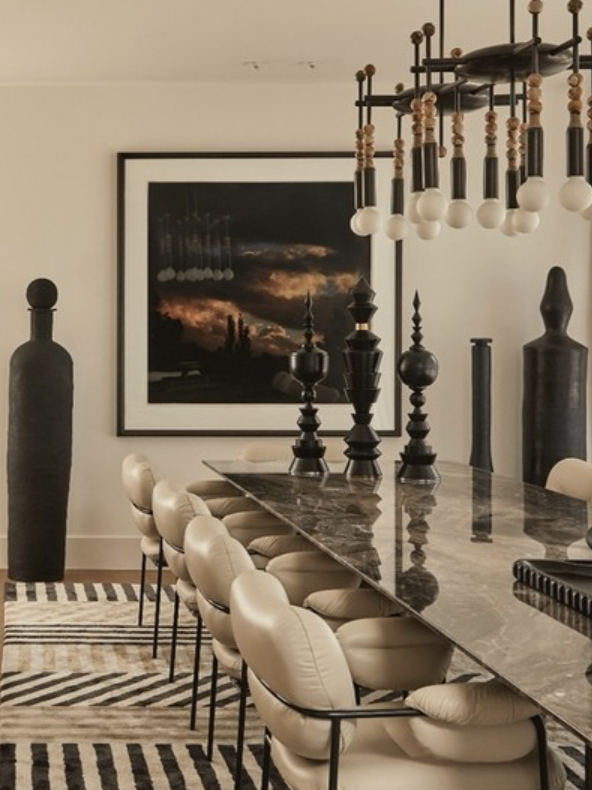
Simone Hagg
Simone Haag (Melbourne) – Known for warm, layered spaces often grounded in mid-century pieces.
https://www.simonehaag.com.au
https://www.instagram.com/simonehaag/
Flack Studio – Often references mid-century forms while keeping things eclectic and current.
https://flack.studio
9. Industrial / Loft
Exposed brick, concrete, steel, big windows, open-plan layouts. Industrial style nods to converted warehouses and factories – softened with timber and textiles so it feels like a home not a car park.
Who to follow
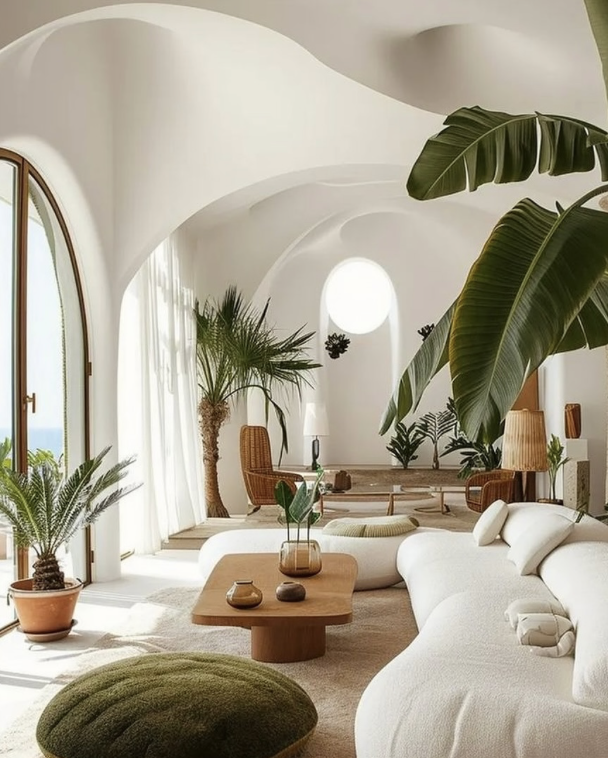
Loft Inspiration
@loftspiration – Curated feed of loft and industrial-style interiors from around the world.
https://www.instagram.com/loftspiration/
MyHouseIdea industrial features – Regularly shares loft projects and industrial apartments.
Example: https://www.instagram.com/p/DOh-bRYCNaM/
10. Eclectic / Maximalist
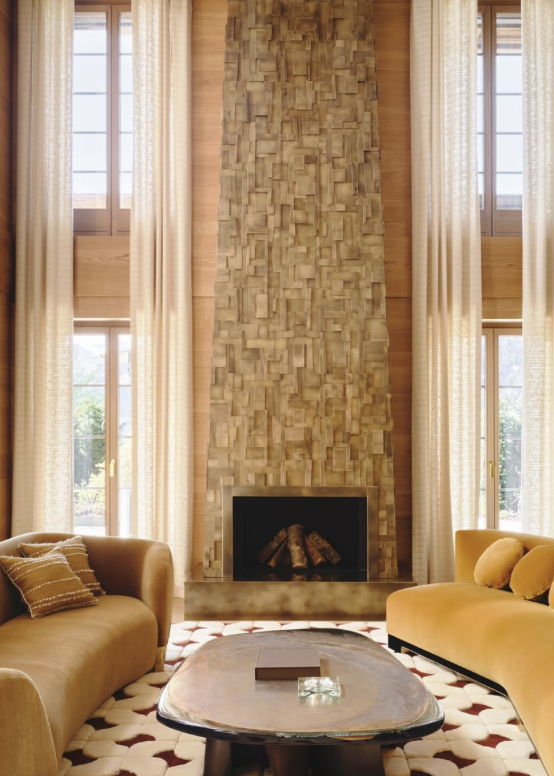
Pattern on pattern, strong colour, vintage and new happily mixed together. Done well, eclectic style still has rules: a clear palette, repeating motifs, and disciplined editing so it feels intentional rather than chaotic.
Who to follow
Peter Mikic
Flack Studio (yes, again) – Brilliant example of bold, art-led interiors that still feel sophisticated.
https://flack.studio
Peter Mikic – London-based Australian designer known for joyful, maximalist spaces.
https://www.instagram.com/petermikic/
Legendary interior designers list – Good reference point for classic decorators who made maximalism an art form.
https://www.vogue.com/article/legendary-interior-designers-decorators-everyone-should-know
How to actually use these styles in a real project
A couple of practical pointers Mark would give clients in Melbourne:
You don’t have to pick just one. Most successful homes sit at the intersection of two or three styles – e.g. “Scandi + coastal”, or “contemporary shell with traditional furniture”.
Look for patterns in what you save. Scroll your screenshots and Pinterest boards: do you keep saving panelled walls, or low sofas, or vintage rugs? That tells us more than the label.
Let the house have a say. A 1920s brick bungalow can absolutely take a Japandi-leaning interior, but you might keep some classic joinery profiles so it doesn’t feel like a spaceship landed in the street.
Use an architect as your “style translator”. Mark’s job isn’t to force you into his aesthetic; it’s to take your influences and turn them into a coherent, buildable design that works for Melbourne light, orientation and planning rules.
If you’re planning a renovation or extension and your Pinterest boards are a glorious mess of boho, Hamptons and industrial, that’s exactly the kind of puzzle Mark enjoys solving.
You can see his work and book a chat here: